Touch That Understands: Living Spaces That Listen

Today we explore Material-Led Smart Furniture and Surfaces for Natural Interaction, where wood, fabric, stone, and composites become the interface you already know how to use. Instead of adding screens, we let textures, flex, warmth, resonance, and grain guide gestures, feedback, and meaning. Expect real examples, humane workflows, and stories showing how materials quietly enable intelligence without stealing attention from conversations, food, and rest.

When Matter Becomes the Interface

Design begins with the feel of a surface under your palm, not a menu hidden behind an icon. In a material-led approach, structure, stiffness, porosity, and finish determine gestures that feel inevitable, trustworthy, and calm. We explore how oak nudges a swipe, felt invites a squeeze, and concrete suggests deliberate taps that carry weight, clarity, and satisfying sonic feedback without visual clutter.

Grain, Flex, and Texture as Semantic Cues

Texture is more than decoration; it is instruction without words. Grain direction subtly suggests a path for sliding the hand, while a fabric’s stretch offers a natural metaphor for volume or intensity. Cork compresses kindly, encouraging pressure-based input that rebounds with gentle memory. These material signals reduce cognitive load, letting people act first and only later realize they already understood the interface.

Sensing Hidden in Plain Sight

Capacitive sensing reads through thin wood veneers, letting a table notice a resting hand and distinguish a purposeful press. Piezo elements catch micro-vibrations from knuckles, cups, and cutlery. Hall sensors hide behind panels to feel magnetized tokens slide. By distributing simple sensors beneath honest materials, interactions disappear visually yet remain discoverable through everyday touch, preserving a room’s character while adding quiet capability.

Sensing Without Screens

Enabling natural interaction means instruments must listen without demanding attention. Conductive yarns, force-sensitive layers, and capacitive arrays live quietly under varnish, laminate, or upholstery. Robust designs survive crumbs, steam, seasonal wood movement, and laundry cycles. We examine materials, circuits, and patterns that keep inputs stable, safe, and delightful, allowing gestures to remain simple even as the underlying sensing grows skillfully sophisticated and resilient.

Craft Meets Code

Material-led products succeed when joinery respects fibers, fasteners welcome repair, and firmware sleeps more than it thinks. Prototyping blends chisels with KiCad, finish schedules with power budgets, and sanding dust with serial logs. We will outline pathways from cardboard to showroom, showing how parametric models, simple test rigs, and modest microcontrollers produce resilient results that honor craft traditions while embracing modern embedded intelligence.

Joinery that Hides Wires and Breathes

Channels for cables follow grain to reduce stress, with nylon sleeves and gentle radii protecting insulation. Slotted holes and floating tenons respect seasonal movement so sensors do not delaminate. Magnetic panels invite future service without visible screws. We choose adhesives compatible with heat and vibration, then label every pathway. The structure remains honest, the silhouette unchanged, yet access and longevity are deliberately built into the bones.

Firmware that Sleeps More Than It Thinks

Power discipline begins with deep sleep, waking only on interrupts from touch or vibration. Sampling bursts are short, thresholds adaptive, debouncing conservative. We log locally, transmit sparingly over Bluetooth Low Energy, and prefer on-device inference to protect privacy. Energy harvesting supplements batteries where sunlight or motion exists. Stable, predictable behavior emerges from restraint, not horsepower, ensuring the object feels calm, available, and considerate at all times.

Toolchain that Empowers Designers

Fritzing and KiCad accelerate simple boards; Rhino or Fusion define cavities and standoffs; Grasshopper scripts align sensor grids with organic edges. TouchDesigner, Python, or Max help visualize signals during messy bench tests. We keep jigs simple, fixtures labeled, and logs timestamped. The process invites collaboration between upholsterers, woodworkers, and developers, making iteration a shared language rather than a handoff tossed across disciplines.

Stories from Everyday Spaces

Technical prowess matters, yet stories decide adoption. In kitchens, living rooms, and hallways, interactions should feel like hospitality, not instruction. These real-world vignettes show small choices delivering outsized relief: fewer dropped timers, easier mornings, calmer evenings, and furniture that quietly supports routines. Each account highlights measured observations, safeguards for consent, and low-friction maintenance that earned trust across generations and diverse household rhythms.
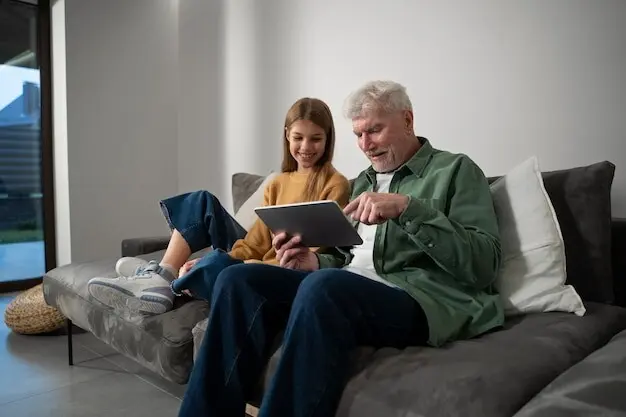
A family traced the table’s long edge each morning, and a soft edge glow confirmed the day’s calm-light scene. Taps near plates set gentle timers for tea and homework sprints. Grandmother never learned an app; her hands already knew the gestures. Over months, arguments about screens faded, replaced by rituals of touch that felt respectful, familiar, and reassuringly analog despite hidden smarts.
Steam, spills, and clangs challenged a stone countertop with embedded vibration sensing. We mapped a quiet corner where a slow palm press dimmed lights and started a playlist at talkable volume. Tests across fourteen homes showed fewer burned onions and less frantic phone unlocking. The counter never spoke; it simply responded, turning cleanup into a rhythm supported by tactile certainty and predictable, warm feedback.
A pressure-mapping textile in a favorite chair learned the sitter’s posture and gently adjusted lumbar support using a silent air bladder. Data stayed local, summarized as weekly comfort hints, never raw streams. Readers reported longer, less strained sessions. When grandchildren bounced in, the chair detected play and disabled adjustments, prioritizing safety. It felt like kindness, not control—an attentive companion disguised as ordinary, cozy furniture.

Responsible Intelligence

Homes deserve products that age gracefully, respect privacy, and welcome repair. Material-led design simplifies this by reducing dependence on brittle screens and cloud entanglements. We detail circular choices, minimal data paths, and serviceable assemblies that keep beauty intact while technology evolves. Responsibility is not an afterthought; it is a design constraint that yields calmer aesthetics, lower costs over time, and stronger human trust at home.

From Idea to Home: Getting Started

Start with a Ritual

Pick one daily action that already happens without thought, like placing keys or tracing an edge while thinking. Map that gesture to a helpful response and prototype in an afternoon. Tape capacitive foil under veneer, log signals, and show three friends. Their confusion or delight will steer your next cut, helping the final object feel instantly understandable and genuinely welcome at home.

Test in Real Mess

Laboratories are tidy; homes are gloriously not. Crumbs, condensation, and curious cats will expose weak adhesive, noisy thresholds, and fragile mounts. Embrace it. Add strain relief, widen margins, debounce generously, and calibrate for seasons. Invite neighbors to try it after dinner, not during a demo. Reliability born from chaos creates the kind of trust that marketing promises cannot manufacture or sustain.

Share, Learn, and Iterate Together

Post your sketches, missteps, and tiny triumphs, then ask for critique. Contribute a pattern—like a reliable edge swipe or knock classifier—to an open library so others skip your early pain. Subscribe for deep dives, part lists, and teardown dates. Send questions or audio notes, and we will feature select reader prototypes, building momentum for furniture and surfaces that listen respectfully, beautifully, and sustainably.
Nilopentolivopexilaxilentokira
Privacy Overview

This website uses cookies so that we can provide you with the best user experience possible. Cookie information is stored in your browser and performs functions such as recognising you when you return to our website and helping our team to understand which sections of the website you find most interesting and useful.